
Djibouti is small on the map and large in drama. Salt lakes sit below sea level. Lava fields crack open beside turquoise water. In winter, whale sharks feed in the Gulf of Tadjoura. The country sits at the hinge of Africa and the Arabian Peninsula, so French, Arabic, Afar, and Somali threads run through daily life.
It is not a long-stay destination for most travelers. It is a sharp, high-contrast stop: a few days of geology and sea, then onward. Pair it with Ethiopia and the Horn of Africa or a Somaliland routing and you get a trip that feels rare without needing weeks on the ground.
This guide stays practical. Expect heat management, tour-versus-DIY notes, and a short itinerary you can attach to a wider Horn route.
Why Djibouti Is Worth the Detour
Most people skip it. That is part of the appeal. Distances are manageable once you have a driver. Highlights pack into three to five days if you focus. The landscapes do not look like another beach stop. They look like rift geology you can stand on.
Come for Lake Assal (Africa’s lowest point), overnight Lake Abbe camps, seasonal whale shark snorkeling, Red Sea reefs around Moucha and beyond, and a compact capital of markets and French-era streets. If you already plan the Danakil Depression or Harar, Djibouti is a coastal and marine counterpoint to the Ethiopian highlands.
Hero Experiences: How to Do Them Well
1. Lake Assal
What it is: A crater lake about 120 km west of Djibouti City, roughly 155 meters below sea level, and one of the saltiest lakes on Earth. White salt flats meet turquoise water and black lava.
Time needed: A full day with Ardoukoba; half a day if Assal is the only stop.
Tour vs DIY: A private driver or small tour is the realistic choice. Public transport does not line up cleanly, and shade is scarce. A private vehicle buys water, AC, and flexible stops.
Heat window: Start early. Aim for morning on the flats, not midday. May through September can feel punishing here. November to February is far kinder.
How to do it: Bring sunglasses, a hat, sunscreen, and extra water. Soft shoes help on crusty ground. Do not assume every salt ledge is solid.
2. Lake Abbe (Lac Abbé)
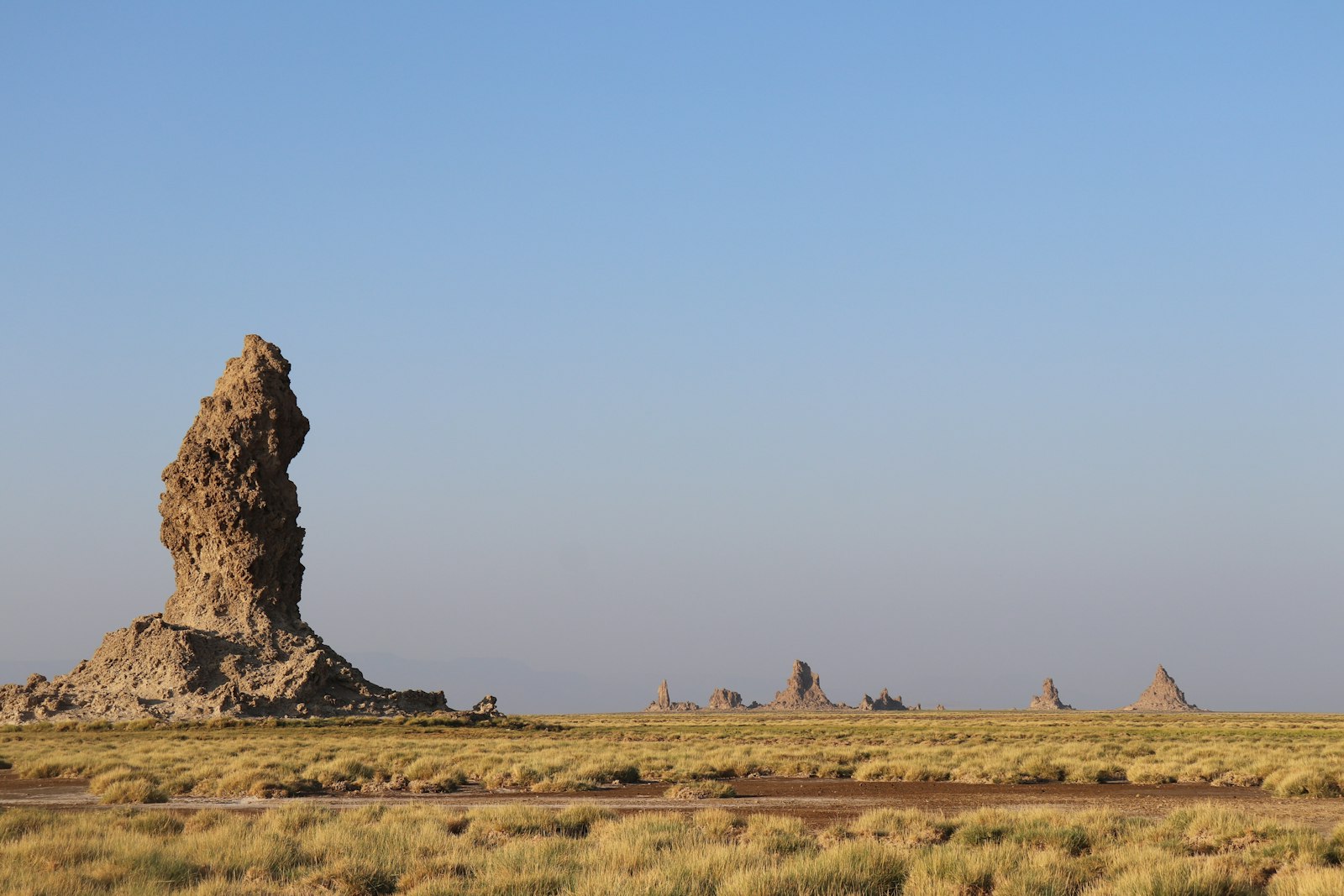
What it is: A remote borderland lake known for limestone chimneys, steam vents, and wide emptiness. Flamingos gather when conditions allow. Sunset and sunrise are the show.
Time needed: One night minimum. A day trip usually wastes the best light.
Tour vs DIY: Arranged camp with driver. Roads are rough and services thin.
Heat window: November to February makes camping far more pleasant. Pack layers for cool nights and strong daytime sun.
How to do it: Confirm water, bedding, meals, and toilets before leaving Djibouti City. Arrive before golden hour, then stay for morning haze around the chimneys.
3. Snorkeling with Whale Sharks
What it is: A seasonal encounter in the Gulf of Tadjoura, often via Arta Beach or Tadjoura-area boats. Whale sharks feed near the surface, so snorkeling is standard.
Time needed: Half day to full day, depending on boat schedules and sea conditions.
Season: Commonly November to February (peak often November to January). Outside that window, do not build the whole trip around sightings.
Tour vs DIY: Book a reputable boat. This is not a swim-from-shore DIY outing. Ask about group size, gear quality, and calm no-chase wildlife rules.
Comfort notes: Water time is the relief; deck time is still hot and bright. Pack a rash guard, reef-safe sunscreen, and a hat. Ask for morning departures if chop tires you.
4. Diving and Snorkeling Beyond Whale Sharks
What it is: Red Sea reefs in the Gulf of Tadjoura, day boats to the Moucha islands, and advanced runs toward sites such as the Seven Brothers for experienced divers.
Time needed: Half-day snorkel trips are common; full-day dives take most of a day.
Tour vs DIY: Dive shops and boat operators handle tanks, sites, and briefings. Independent shore snorkeling is limited compared with island boat days.
When to go: Diving works much of the year. Pair it with whale shark season if that matters. Summer surface heat remains real even when the water looks inviting.
How to do it: Confirm certification needs, whether city transfers are included, and pack motion-sickness tablets if needed.
5. Ardoukoba Volcano
What it is: A young volcano between Lake Assal and the Gulf of Tadjoura, last erupted in 1978. Short walks cross black lava toward the crater.
Time needed: One to three hours on site, usually bundled with Lake Assal.
Tour vs DIY: Same driver day as Assal works best. Signage and shade are minimal.
Heat window: Morning only in warm months. Dark rock radiates heat even in cooler season.
How to do it: Wear sturdy closed-toe shoes. Move slowly. Drink water at each stop. Uneven lava makes rushed walking a bad idea.
6. Tadjoura and a Taste of the Coast
What it is: One of Djibouti’s older towns across the bay. Whitewashed houses, a slower pace, and a handy base for some marine trips.
Time needed: An afternoon, or overnight if boats leave from that side.
Tour vs DIY: Ferry or arranged transfer from Djibouti City. Walking the center is straightforward in daylight.
How to do it: Use Tadjoura as breathing room between desert and boat days. Late afternoon walks beat midday heat. Dress modestly away from hotel beaches.
Djibouti City in Brief
Give the capital a half day to a day for markets, the working port, and French-era streets. It is the hub for drivers, dive shops, and hotels with reliable AC. Eat well here before Lake Abbe nights.
Culture, Language, and Food
Public life blends Afar and Somali traditions with Arab and French influence. French and Arabic are official; Somali and Afar are widely spoken. English is patchy outside tourism.
Useful basics: *Bonjour / Bonsoir*, *Merci*, *S’il vous plaît*, *Salaam alaikum* (reply *wa alaikum salaam*), and *Ça va?*
The country is predominantly Muslim, so modest dress is appreciated in towns and markets. Alcohol is generally limited to hotels and foreigner-oriented restaurants.
Food leans toward rice, pasta, grilled meat, and coastal seafood. Look for *lahoh*, a spongy flatbread related to Ethiopian injera. Sweet tea is common.
Logistics: Entry, Money, Getting Around, Safety
Entry and visas. Many travelers use Djibouti’s e-visa before flying, or check visa-on-arrival rules for their nationality. Policies shift, so verify on the official immigration / e-visa channel close to departure. Carry adequate passport validity, onward travel proof, and hotel or host details. Routing from Ethiopia? Review Ethiopia travel tips so connections stay aligned.
Money. The Djiboutian franc (DJF) rules daily spend. Cash matters outside the capital. ATMs and cards concentrate in Djibouti City. Budget higher than many East African stops: fuel, imports, and limited competition push prices up.
Getting around. A private driver is the comfort upgrade that changes the trip. Rough roads to Lake Abbe, scarce shade at Assal, and long empty stretches make shared minibuses a poor fit for short visits. Drivers also ease French or Arabic at checkpoints and camps. Shared taxis work in the city; boats handle bay and island hops.
Heat, health, and packing. Sun is the main adversary. Pack high-SPF sunscreen, a wide hat, electrolytes, and a reusable bottle. Light long sleeves help in hard glare. Malaria precautions are commonly recommended; check a travel clinic. Internet thins quickly outside the capital, so download offline maps.
Security vibe. Djibouti is generally stable and used to international traffic through its port and bases. Use normal city awareness, choose reputable drivers at night, and avoid remote border zones with Eritrea or Somalia unless you have a clear guided reason.
Best Time to Visit
- November to February: Best overall window for cooler air, whale sharks, and more forgiving desert days.
- March to April and October: Warm but workable if you start early and rest midday.
- May to September: Extreme heat inland. Possible for diving-focused trips with heavy AC reliance, but poor for Assal and Abbe camping.
If whale sharks are the priority, lock those dates first, then keep desert stops on morning-only blocks.
Suggested 3–5 Day Itinerary (Horn Add-On)
Use this as a Djibouti module before or after Ethiopia, or as a coastal pause near a Somaliland plan.
3 days (tight): Day 1 arrive and handle city logistics. Day 2 early Lake Assal and Ardoukoba. Day 3 whale shark or reef boat (in season), then depart.
4 days (balanced): Add a Tadjoura overnight or second marine morning. Keep Assal as one early start so desert fatigue does not collide with boat schedules.
5 days (full highlights): Day 1 city and bookings. Day 2 Assal + Ardoukoba. Days 3–4 Lake Abbe overnight for sunset and sunrise. Day 5 marine day, then fly out.
Routing ideas: fly Addis–Djibouti after highland time, or use Djibouti as a Red Sea beat after Harar. For a wider Horn arc, read the Horn of Africa travel hub and the Somaliland guide before locking open-jaw flights.
Pros and Cons
| Pros | Cons |
|---|---|
| Distinct rift and marine landscapes in a small area | High prices relative to nearby countries |
| Seasonal whale shark encounters | Brutal heat outside the cool season |
| Straightforward circuits with a driver | Thin infrastructure away from the capital |
| Easy to attach to Ethiopia or Horn plans | Short-visit country; less variety for long stays |
FAQs
Is Djibouti safe for tourists? For standard city-and-guided-desert itineraries, yes in practical terms. Use normal precautions and skip unnecessary remote border travel.
Do you need a visa? Most visitors do. Many use the e-visa portal in advance; some nationalities report visa-on-arrival options. Confirm your passport rules before you fly.
When is the best time to visit? November to February for weather and whale sharks.
What is Djibouti known for? Lake Assal, Lake Abbe’s chimneys, Red Sea diving, and winter whale sharks.
Can you drink alcohol? Yes in many hotels and foreigner-oriented restaurants, but not as a general street-bar culture.
Is a private driver worth it? For Assal, Abbe, and tight multi-day plans, yes. Shade, timing control, and less friction in the heat.
Final Take
Djibouti rewards clear priorities. Pick the salt lake, the chimneys, and the sea. Hire help for the hard miles. Respect the heat. Then connect onward to Ethiopia or Somaliland instead of forcing a long stay. Small country. Outsized scenery. That is the point.
