
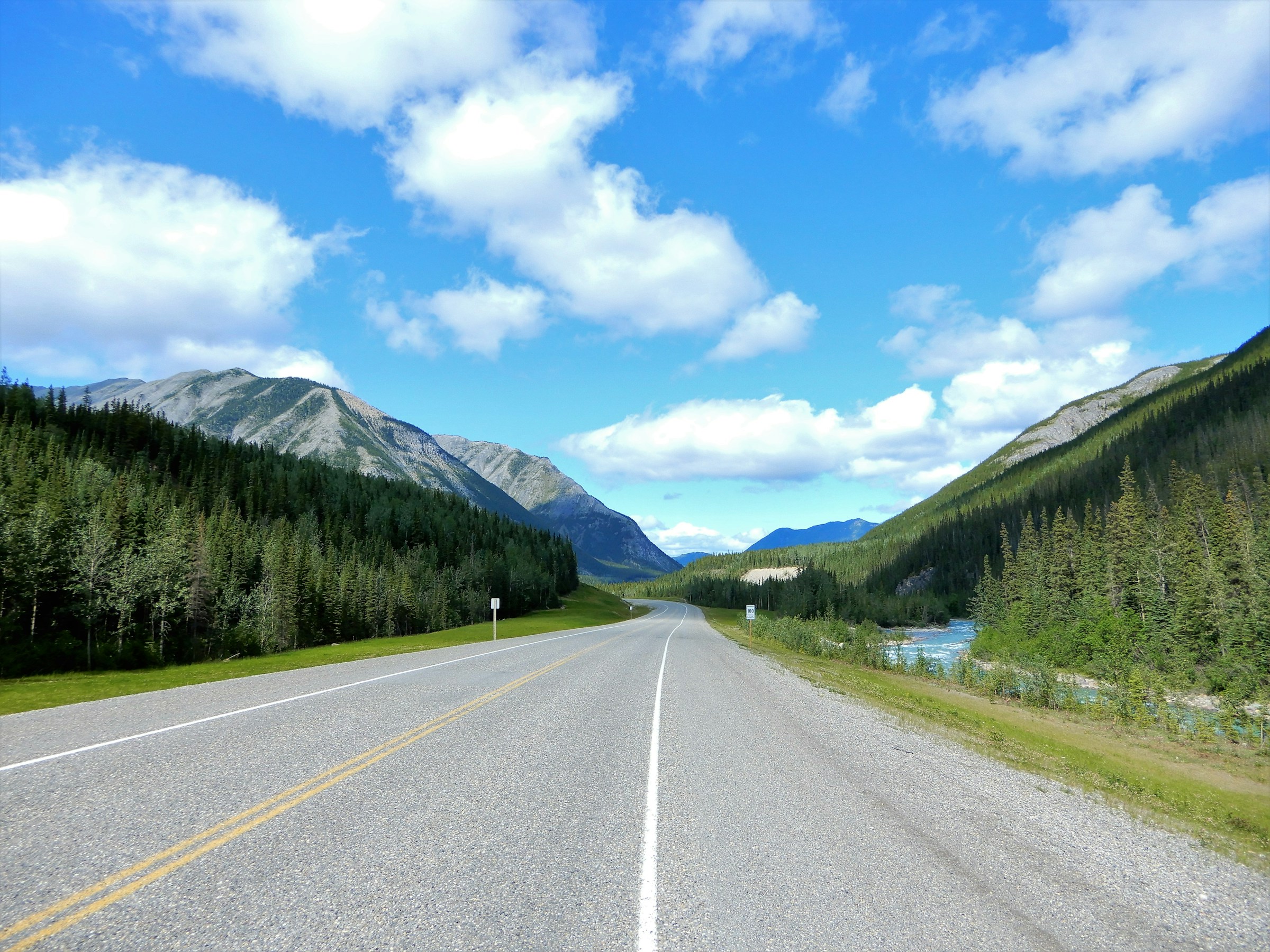
Picking a month for an Alaska road trip is not a mood board exercise. Same loop in mid-May and mid-August can feel like two different countries. One month you are waiting on a gravel side road to open and squinting at leftover snowbanks. Another you are fighting for a Denali bus seat and packing bug nets like fashion accessories.
This guide is the planner layer: which month fits your tolerance for crowds, daylight, mosquitoes, and closed gates. For the bigger northern map (Alaska loops, Dempster, Churchill rail), start with my Northern and Arctic overland hub. For the day-by-day loop I actually drove, use My Alaska road trip: the actual trip. Gear lives in the Alaska road trip packing list.
At a glance
- Best overall window for a first Alaska loop by car: mid-June through mid-August
- Quiet-and-color pick: early to mid-September (cooler, shorter days, fewer tour buses)
- Shoulder with more risk: May (services waking up; some roads and trails still shut)
- Hard pass for most first-timers: deep winter highway driving without cold-weather experience
- What the calendar really controls: park road access, ferry and boat tour schedules, lodging price, mosquito pressure, and how late you can hike without a headlamp
- Planning rule of thumb: lock lodging and big tours for your month first, then trim the route to fit real drive hours
- Who thrives: travelers who will trade a “perfect†Instagram week for an honest season match
Who this guide is for
- Drivers building an Anchorage-centered loop (Denali, Fairbanks, Valdez, Kenai) and debating May vs July vs September
- Planners who already know they want about 10 to 14 days and need the season to decide pacing, not the other way around
- Anyone stitching Interior stops like Fairbanks with coastal days in Seward or Valdez and wondering when both halves of the state cooperate
If you only have a long weekend and a rental that cannot leave pavement, this page will still help you pick a month, but skip the gravel fantasies. If you want the slow northern stack (Alaska plus Dempster or Churchill), read the hub first and treat Alaska as one chapter, not the whole novel.
How to decide (before you stare at the calendar)
Ask three blunt questions. Write the answers down. Then open a month section.
- Crowds or access? Peak summer opens the most services and boat tours. It also fills Denali buses, Seward docks, and Fairbanks rooms. Shoulder months trade access for quiet.
- Bugs or frost? Interior mosquitoes in late June and July are not a cute story. Early May and late September lean colder and sometimes snowy at passes.
- How many real driving days? Optimistic map times lie. Construction, wildlife stops, and photo pullouts stretch every estimate. Leave buffer or you will hate your own itinerary.
I would rather choose a slightly “worse†month with buffer nights than a dream July week with zero slack. Sleep is logistics, not a personality flaw. One comfort note if you travel at midlife and run hot in a parked car: summer greenhouse heat on the Richardson or Kenai is real, so plan shade stops and easy layers even when the forecast looks mild.
Month-by-month: May through September
May
May is the gamble month people romanticize after a winter of cabin fever.
What works: Fewer crowds on the Seward Highway and around Anchorage. Cooler nights for sleep. Mosquitoes are usually lighter than peak summer. Early wildflowers start showing in lower elevations.
What fights you: Some park services, campgrounds, and boat tours are still ramping up. Higher passes and gravel connectors can hold snow or soft mud. Denali’s deeper park road access is limited early in the season. Wildlife is active, but lodging choices inland may still feel thin outside hub towns.
Best for: Flexible drivers who can pivot if a side road is closed, and who care more about empty overlooks than a packed tour roster.
Skip if: You need every boat tour and shuttle running on a fixed schedule.
June
June is when Alaska starts behaving like the brochure, with an asterisk for Interior bugs and booking pressure.
What works: Long daylight (pushing toward midnight sun inland). Most major highways and popular tours are online by mid-month. Good window for Anchorage to Denali to Fairbanks pacing. Coastal towns like Seward and Valdez feel fully awake.
What fights you: Lodging and Denali bus demand climb fast. Mosquitoes ramp hard in wet Interior pockets. Popular trailheads get busy on weekends.
Best for: First Alaska road trips that want long hiking days and open services without waiting for August heat.
Soft timing note: Late June often feels more “open†than early June for remote-ish add-ons. Confirm anything gravel or seasonal (Denali Highway style connectors) before you depend on them. My notes on driving the Denali Highway are a reminder that seasonal gravel is its own calendar, not a side quest you invent at the junction.
July
July is the warmest, busiest, most “sure, that tour runs†month. It is also when patience becomes packing list item thirteen.
What works: Widest tour menus. Long days. Interior highs often land in a comfortable hiking range (think roughly 60s to 70s F on many days, with hotter spikes). Excellent window for stacking Denali, a Fairbanks base, then south toward Valdez or the Kenai without wondering if the boat is still docked for the season.
What fights you: Crowds at iconic stops. Higher prices. Mosquitoes at their most entitled in Interior lowlands and campgrounds. You will share pullouts.
Best for: Travelers who prioritize access and wildlife activity over solitude, and who booked lodging early.
Pair with: A Fairbanks cultural or river day when you need a town reset. Details that still hold in peak summer live in Things to do in Fairbanks in summer.
August
August is my favorite compromise for many drivers who cannot do shoulder risk but hate peak circus energy.
What works: Still long days, though you notice dusk returning. Tours remain plentiful. Berries and early color start showing in places. Some mid-month weeks feel slightly less frantic than July holiday clusters. Coastal glacier and wildlife boats out of Seward and Valdez are still in full swing.
What fights you: Mosquitoes can linger. Popular rooms stay expensive. Late August can tease fall weather at higher elevations.
Best for: Balanced loops: Denali plus Interior plus one serious coastal stop without treating every day like a contest.
Coastal payoff: If your August plan ends on the Kenai, read Best things to do in Seward before you overbook land days and underbook the boat. If you swing the Richardson instead, Valdez is the fjord-and-glacier answer that justifies the out-and-back miles.
September
September is the quiet flex. Cooler air. Fewer RVs in a convoy. Real night returns, which is either a gift or a scheduling headache depending on how you drive.
What works: Fall color in many Interior and mountain corridors. Lower crowd pressure at trailheads. Better odds of aurora once nights get properly dark (late month is stronger than early). Lodge rates sometimes soften outside peak weeks.
What fights you: Shorter days. Earlier snow risk at passes (Thompson Pass energy is not theoretical). Some seasonal businesses start closing. Boat tours thin out toward month’s end. You need tighter daylight planning for long transfers.
Best for: Photographers, crowd-haters, and anyone who already did a summer Alaska trip and wants a different mood.
Skip if: You need maximum tour frequency or you hate cold mornings and flexible Plan B lodging.
Quick decision table (season vs trip shape)
| If your priority is… | Lean toward… | Watch-outs |
|---|---|---|
| First loop, max open services | Late June through mid-August | Book early; expect bugs and crowds |
| Fewer people, still most tours | Early to mid-August | Prices still high |
| Color, quiet, possible aurora | September | Daylight and closures |
| Empty roads, accept closures | May | Services and gravel timing |
| Northern lights as the point | Late September into winter (not a classic summer road loop) | Ice, dark, experience required |
Winter road trips exist. I do not treat them as the default “best time to drive Alaska†answer for a first scenic loop. Short daylight, ice, and limited services change the sport entirely. Beautiful. Not casual.
Decision: crowds, bugs, and daylight
These three dials move together. Turn one and the others shift.
Crowds: Highest around July and popular weekends. Denali entrance energy, Seward harbor mornings, and Fairbanks tour vans all stack. Leave early. Prebook the non-negotiables.
Bugs: Worst in warm, wet Interior stretches in late June and July. Head nets are not overpack if you camp. Coastal wind can help; still pack repellent.
Daylight: June and early July give you absurd hiking hours inland. That also wrecks sleep if you pretend midnight is afternoon. September forces honest start times for 4 to 6 hour drives.
None of this is failure. It is just Alaska refusing to be Florida with mountains.
What to book when (by month logic)
- Lodging near Denali and in Seward/Valdez: Book as soon as your month is firm for June through August. September can be more forgiving but is not a free-for-all on holiday weekends.
- Denali park buses: Summer demand is real. Treat tickets like a logistics spine, not a same-morning hope.
- Glacier or wildlife boats: Peak summer sells out on good weather days. Shoulder months need a schedule check, not a vibe check.
- Rental cars and RVs: Summer fleets tighten. One-way fees and mileage rules matter more than people admit.
- Buffer night: Buy it on purpose after your longest transfer day (Fairbanks to Valdez energy, or Anchorage to Seward with stops).
Packing still matters more than the perfect month. Cold rain in July humbles people who packed for a brochure. Use the 13 essentials packing list even if you are only driving paved highways.
Sample month picks (not sacred itineraries)
Late June, ~12 to 14 days: Anchorage supply day, Denali 2 to 3 nights, Fairbanks 1 to 2, Richardson to Valdez, optional Kenai finish. Matches the shape in the actual trip with maximum daylight.
Mid-August, ~10 to 12 days: Same spine, fewer optional gravel temptations, one serious boat day in Seward or Valdez, protect sleep.
Early September, ~10 days: Truncate heroics. Denali plus one coastal focus, or Fairbanks plus Richardson to Valdez, and accept that you will watch the clock.
Do not try to collect Dempster-level grit and a full Alaska coastal menu in the same two-week window unless you enjoy suffering as a hobby. The northern hub exists so you can sequence trips across years like a sane person.
FAQ
What is the single best month to drive an Alaska road trip?
There is no single winner. For a first classic loop with open services, late June through mid-August is the safest answer. If you hate crowds and can handle cooler weather, early September often feels better in the body even when the checklist is shorter.
Is May too early?
Sometimes. May can be wonderful for quiet roads and lighter bugs, and frustrating for closed services or soft seasonal roads. Go in May only if your plan can survive a closed gate without collapsing.
Is September too late?
Not if you plan for shorter days and possible early snow at elevation. September rewards flexible drivers. It punishes rigid hour-by-hour schedules.
Can I see the northern lights on a summer Alaska road trip?
Basically no in June and July inland: too much daylight. Late August starts to flirt with darker skies. September is when aurora becomes a realistic bonus, not a guarantee.
Do I need different packing for June vs September?
Yes in emphasis. June and July lean hard into bug protection and sun management. September leans into warmer layers, rain shells, and earlier stop times. Core kit (spare tire thinking, offline maps, bear sense, food buffers) stays year-round summer logic. Details: packing list.
Is July worth the crowds?
If your trip depends on specific tours and full park access, yes. If solitude is the point, pay the September weather tax instead.
How does this fit Fairbanks, Seward, and Valdez timing?
Fairbanks shines under midnight-sun energy in June and July for culture and day trips; see the Fairbanks summer guide. Seward and Valdez boat seasons align best with the main summer window; shoulder months need schedule confirmation. Link those stops after you pick the month, not before.
Next step
Pick your month with the three dials (crowds, bugs, daylight) written down. Then open the route shape in My Alaska road trip: the actual trip and trim it to your days. Cross-check gear against the packing list. For the wider northern stack, return to the Northern and Arctic overland hub and decide whether Alaska is this year’s whole trip or one chapter.
The best time to drive Alaska is the month that matches how you actually travel when you are tired at 8 p.m., not the month that looks best in someone else’s highlight reel.
