
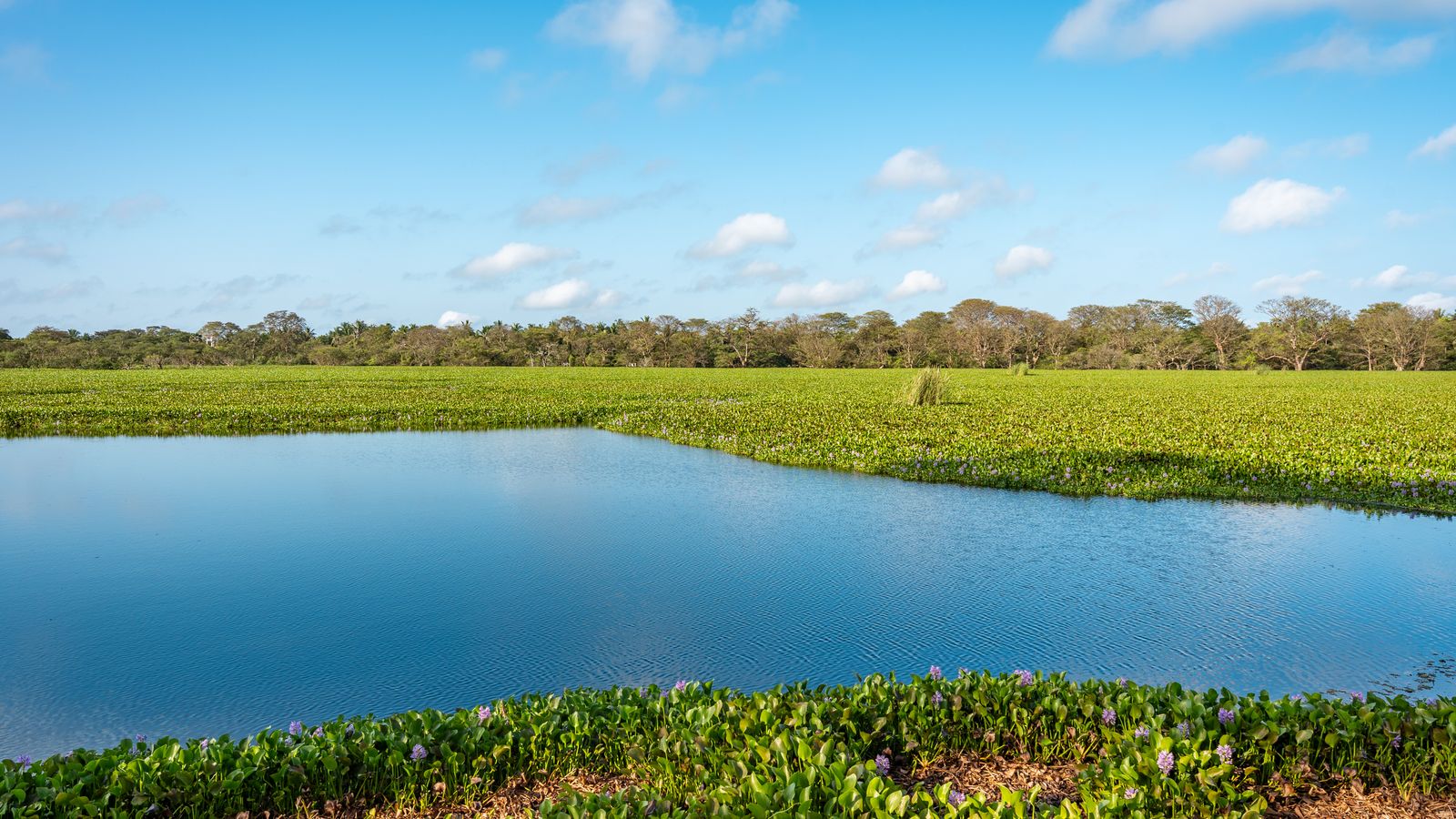
Sri Lanka is famous for its national parks, and while places like Yala and Udawalawe attract the biggest crowds, Bundala National Park offers something different. Located on the southern coast near Hambantota, Bundala is smaller and quieter, known less for leopards and elephants and more for its birdlife. It is a Ramsar Wetland Site and a UNESCO biosphere reserve, which puts it among the more important migratory-bird habitats in South Asia.
If you enjoy wildlife without safari convoys stacked three deep at one leopard tree, Bundala is worth a stop. It may not have Yala’s star power, but it delivers quieter drives, open wetland views, and a better chance of watching animals without an audience.
For packing, sun, and how to book day trips without overpaying, start with my flashpacker travel logistics hub. Bundala is a jeep-and-permit day, not a DIY walk-in park.
Verify on your travel day: Park hours, entrance fees, vehicle charges, and online permit rules change. Treat every number below as a planning range. Confirm with your jeep operator, the Department of Wildlife Conservation (DWC) permit service, or the gate before you lock plans.
Why visit Bundala
Bundala covers lagoons, scrub, dunes, and salt pans. That mix of habitats is why the bird list is so long. For birders, it is one of the stronger southern stops, with more than 200 species recorded. In the northern winter, migratory flocks of flamingos, pelicans, and storks turn the lagoons into something closer to a waterbird stage set than a classic “big five” safari.
Beyond birds, the park holds elephants, crocodiles, jackals, monkeys, and the occasional leopard. Scale is the difference. You usually see smaller numbers spread across open country rather than dense herds or jeep piles. The day is about diversity and atmosphere more than drama.
Best time to visit (and bird season)
The park is open year-round. What you see depends on the month.
- September to March: Main migratory window for waterbirds and waders. Flocks build as the northern winter advances.
- November to March (often strongest December to February): Peak birdwatching for many visitors, including greater flamingos when conditions and numbers cooperate. Flamingo counts vary by year. Do not treat any one winter as a guarantee of pink lagoons.
- May to September: Drier, hotter stretch. Resident birds, elephants near remaining water, and crocodiles on banks can be easier to spot when water levels drop.
- April and October: Transitional months. Fewer birders than peak winter, mixed weather, still workable for a half-day safari if your south-coast schedule only fits then.
Mornings and late afternoons are the useful safari blocks. Midday heat on open salt pans is real. Shade is scarce. If you wilt in strong sun (I do), book the early jeep and carry more water than feels polite.
Hours (planning range, verify on the day): Sri Lankan national parks commonly run about 6:00 a.m. to 6:00 p.m. Public write-ups for Bundala match that window. Ticket counters often close mid-afternoon (commonly cited around 4:00 p.m.), and vehicles are expected out by closing. An afternoon safari still works if you start early enough to clear the gate rules. Confirm the day’s last entry with your operator.
How to get there
Bundala sits roughly 245 to 250 km from Colombo, often framed as a four to five hour drive depending on traffic and stops. Most travelers pair it with Yala, Tissamaharama, Hambantota, or the southern beaches rather than as a standalone out-and-back from the capital.
- From Hambantota: About 15 to 20 km, roughly 30 minutes by car.
- From Tissamaharama: Around 35 km, about an hour.
- From Mirissa or Tangalle: Commonly two to three hours by road.
There is no useful public transport into the park itself. You need a licensed safari jeep and driver, usually arranged through your guesthouse, hotel, or a local operator. The jeep team typically handles the gate process and timing.
When you book, ask four plain questions: pickup time, total hours inside the park, whether entry fees and taxes are included, and whether the guide is strong on birds (not only elephants). Shared jeeps cut the per-person price. A private jeep costs more and gives you more stop time when a lagoon is busy with waders.
Safari experience
Safaris in Bundala tend to feel quieter than Yala. Tracks are sandy, weaving past lagoons and scrub. A typical run lasts about three to four hours. Because fewer jeeps work the park on many days, sightings can feel less contested. That is the main reason people skip the Yala lottery for a morning here.
Good guides lean into birds. They will stop for a distant flamingo line or a stork you would have rolled past. Elephants may show as singles or small groups. Crocodiles bask on lagoon edges. Gray langurs and toque macaques keep the scrub noisy.
Birds you may see
- Greater flamingos in migratory season (numbers vary)
- Painted storks, spot-billed pelicans, black-headed ibis
- Eurasian spoonbill, glossy ibis, and other waders when the pans are working
- Endemics such as Sri Lanka junglefowl and brown-capped babbler
- Peafowl along tracks (common enough that they steal scenes from the “rarer” birds)
Bring binoculars. Much of the action sits across open water. A phone zoom will disappoint you.
Habitat shifts matter. Salt pans and shallow lagoons hold the flamingo and stork spectacle. Scrub edges hold monkeys, peafowl, and the odd jackal. Dunes and beach fringe are quieter but break up the drive. Tell your driver if birds are the priority so you do not rush past a productive pan to chase a rumor of elephants.
Mammals
- Asian elephants, often solitary or in small groups
- Golden jackals along tracks
- Hanuman (gray) langurs and toque macaques
- Mongoose, wild boar, spotted deer
Reptiles
- Estuarine and mugger crocodiles
- Monitor lizards on banks
- Snakes possible but uncommon as jeep sightings
Leopards are possible and not the reason most people book Bundala. If leopard is your non-negotiable, Yala (or a dedicated leopard-focused day elsewhere) is the honest bet. Bundle both if you have the days.
Costs and fees (ballparks only)
Entrance and vehicle charges are set by the DWC and change. Older visitor write-ups and Category 2 park tables commonly list foreign adult entry around USD 12, foreign child (about 6 to 12) around USD 6, a foreign group/vehicle fee around USD 10, a small vehicle entry in LKR, plus tax (often cited around 18%). Some operators and older pages still quote foreign adults closer to USD 15. Your all-in gate math, once tax and vehicle fees land, often sits higher than the single adult line item.
Jeep packages usually wrap driver, vehicle, and permit handling. Half-day jeep hire is often quoted in a broad band (live planning language on this site has used about USD 30 to USD 50 for a half-day safari vehicle side; local LKR quotes also circulate and move with fuel and season). Per-person cost drops when you share the jeep.
Practical booking tip: Ask what is included: park entry, vehicle fee, taxes, tracker/guide, water, and pickup point. Cash in LKR still helps at some gates even when online permits exist. DWC also runs an online day-visitor permit reservation service for national parks; operators may handle this for you. If you reserve yourself, print the permit and receipt. Rules and convenience fees change, so verify before travel day.
Treat every dollar figure here as a planning range, not a locked tariff.
A simple budget frame: one shared half-day jeep plus your share of entry often lands in a lower total than a private Yala peak-season run, but the gap shrinks if you go private and travel alone. Get the quote in writing (message is fine) with inclusions listed. Last-minute hotel-lobby bookings work in busy months; in slow weeks you may negotiate more easily.
Where to stay
There is no lodging inside Bundala. Nearby bases:
- Hambantota: Larger hotels and resorts; short run to the park.
- Tissamaharama: Classic base for Yala and Bundala in one trip; guesthouses through mid-range hotels.
- Tangalle / southern beach towns: Beach nights with a wildlife day trip if you want coast plus lagoons and can accept the longer transfer.
Pick the base that matches the rest of your south-coast plan. Doubling Yala and Bundala from Tissa is the tidy combo for many itineraries.
Bundala vs Yala
- Yala: Leopards, elephants, denser wildlife marketing, more jeeps, more competition at sightings.
- Bundala: Wetlands, birds, quieter tracks, fewer vehicles on many days, more binocular time than chase time.
Many travelers do both. One morning for birds and calm water, one block for Yala’s bigger-game odds. If you only have one safari slot and you care more about flamingos than leopards, Bundala is the clearer choice.
Sample south-coast stitch (adjust to your bus or driver days): beach nights on the southwest coast, a transfer toward Tissa or Hambantota, Bundala in the morning, rest or a second park block the next day, then continue east or loop back west. Build a buffer if you are connecting to a long bus. Missed pickups and slow gates are normal travel friction, not a crisis.
Tips for visiting
- Binoculars first. Camera second. A zoom of 200mm or longer helps if you shoot.
- Neutral clothes. Soft colors blend better than neon hiking kits.
- Water, sunscreen, hat, insect repellent. Open pans reflect heat.
- Soft knees and a padded seat help on sandy tracks. Midlife-friendly packing is less about fashion and more about not frying in the noon glare.
- Book a reputable operator so guides keep distance from wildlife and do not crowd nests or crocs for a photo.
- Start early in peak heat months. Late afternoon light is pretty; morning bird activity is often better.
- Keep voices low at water edges. Birds flush easily, and a quiet jeep sees more.
- Download or screenshot offline bird ID notes if you care about names; signal can be patchy.
Quick FAQ
- Is Bundala good without being a birder? Yes, if you like open landscapes and a calmer jeep day. Go for flamingos and crocs, not leopard odds.
- Can I visit without a jeep? Practically no for a normal tourist visit. Use a licensed safari vehicle.
- How long do I need? One half-day safari covers most first visits. Add a second block only if you are deep into birds.
- When are flamingos most likely? Inside the migratory window, often strongest mid-winter, with year-to-year swings. Verify recent sightings with local guides the week you go.
Why it is worth the trip
Bundala will not stage a leopard traffic jam for you. That is the point. Flamingos lifting off a lagoon, a crocodile sliding under, or a quiet stretch of track with only your jeep’s engine noise stick for a different reason. For birders, it is one of the better southern Sri Lanka stops. For everyone else, it is a useful change of pace from busier parks.
Final thoughts
Wildlife travel is not only about the biggest animals. Bundala’s lagoons, dunes, and scrub are a working wetland system, and the bird list is the headline. If you are already on the south coast, give it a morning or an afternoon. Serious birder or curious safari-goer, the quieter park earns its place.
Confirm hours, fees, and migratory timing for your exact dates, then go watch the water.
