
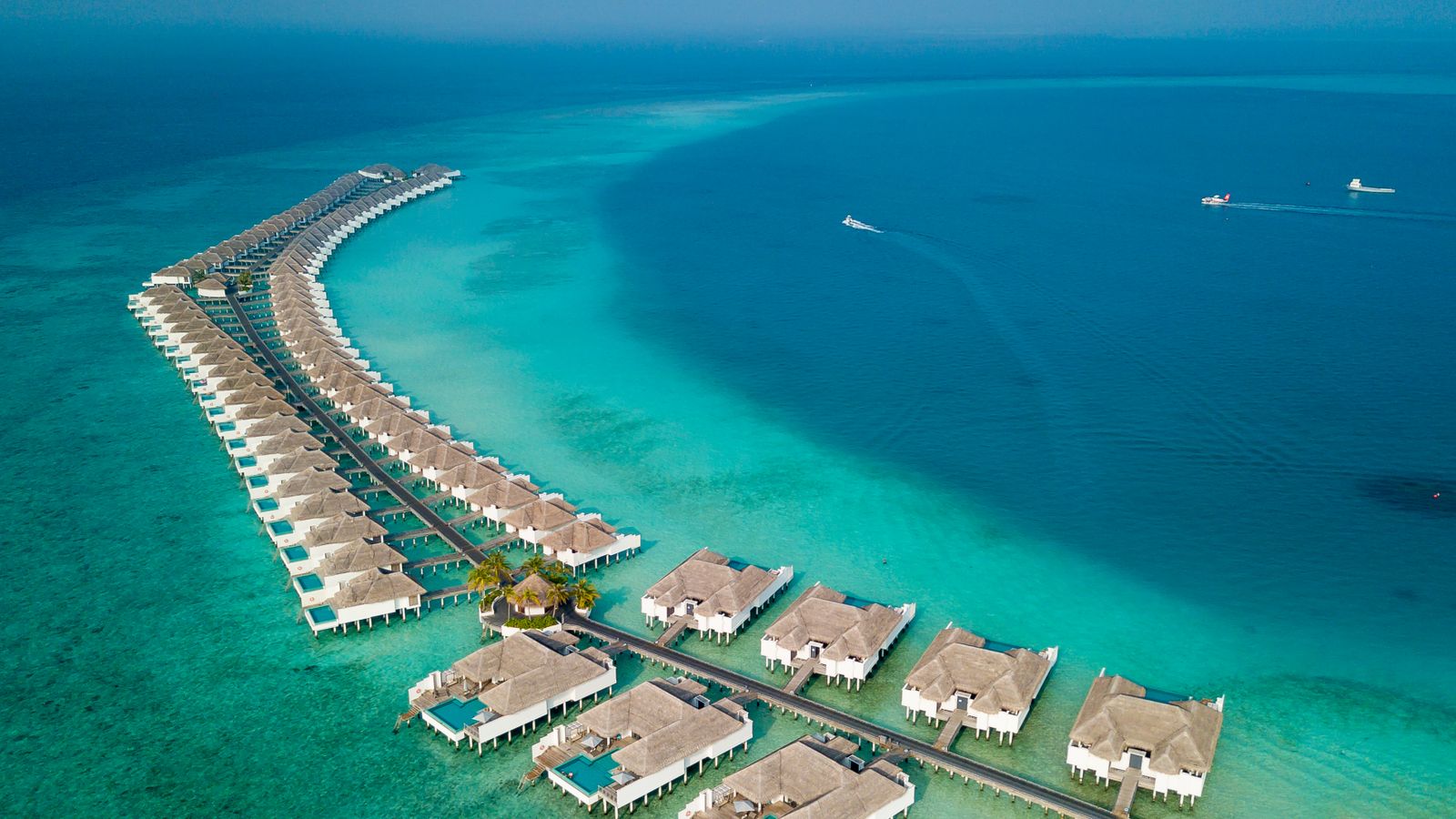
When most people picture the Maldives, they imagine overwater villas and private resort islands. But the Maldives is also home to dozens of inhabited local islands that welcome visitors. One of the most interesting is Dharavandhoo, a small island in Baa Atoll that pairs everyday Maldivian life with easy access to some of the best manta snorkeling on Earth.
The big draw is Hanifaru Bay, a protected feeding ground a short boat ride away where reef mantas gather in huge numbers during the southwest monsoon. Dharavandhoo has its own airport, a growing list of guesthouses, and prices that are a fraction of a resort stay.
This guide covers how to get there, how Hanifaru visits work under the current rules, what else to do, what it costs once taxes are added, and when to go. For booking, money, and packing habits that make island hops smoother, see my flashpacker travel logistics hub.
Dharavandhoo at a glance
| Item | Planning note |
|---|---|
| Where | Baa Atoll, roughly 115 to 125 km northwest of Male |
| Getting there | Domestic flight (about 35 to 40 minutes) or shared speedboat (about 2 to 2.5 hours) |
| Main reason to go | Snorkeling with mantas at Hanifaru Bay, May to November |
| Time needed | 4 to 5 nights, so you have spare days if the mantas do not show |
| Stay | Small family-run guesthouses and boutique guesthouses |
| Local rules | No alcohol, modest dress in the village, swimwear on the tourist beach and boat trips |
Where Is Dharavandhoo and How Do You Get There?
Dharavandhoo sits on the eastern side of Baa Atoll, north of Male. It is part of the Baa Atoll UNESCO Biosphere Reserve, declared in 2011. You have four ways in:
- Domestic flight: Maldivian and Manta Air both fly Male (MLE) to Dharavandhoo (DRV), with schedules showing about 35 to 40 minutes in the air and several departures most days. Fares commonly run about $110 to $190 one way. Many guesthouses sell flight packages.
- Shared speedboat: Several operators run Male to Dharavandhoo, taking about 2 to 2.5 hours. Fares are typically around $60 to $70 one way. Timetables differ by operator and Friday service is thinner. One operator notes fuel-driven price increases in 2026, so confirm the fare when you book.
- Slow ferry: A weekly cargo-style boat (listed by guesthouses at about $25 and 8 hours) exists, but it only suits long, flexible stays.
- Private speedboat: Fast and flexible, but often several hundred dollars per boat.
Domestic flights and speedboats stop running in the evening. If your international flight lands late, plan a night in Hulhumale near the airport and transfer the next morning.
Why Visit Dharavandhoo?
- Hanifaru Bay: One of the best places in the world to snorkel with feeding reef mantas, with occasional whale sharks.
- Price: Guesthouse stays cost a fraction of resort rates, and taxes are lower too.
- Local life: Fishing boats, a school, mosques, and small shops rather than a staged resort village.
- Community tourism: Your money goes to locally owned guesthouses, cafes, and boat crews.
Things to Do in Dharavandhoo
1. Snorkel With Mantas at Hanifaru Bay
Hanifaru Bay is a small, funnel-shaped lagoon where plankton gets trapped on certain tides. When conditions line up, dozens and sometimes more than a hundred mantas feed in tight loops near the surface. It became a Marine Protected Area in 2009 and is one of the core zones of the Baa Atoll Biosphere Reserve.
Visits are tightly controlled. Under the current management plan:
- Season: Snorkeling trips run roughly May to November, with the biggest aggregations usually from about July to October.
- Snorkel only: Scuba diving has been banned in the bay since 2012. Free diving below the surface and drones are also not allowed.
- Guides and permits: You need an access permit and a certified Hanifaru guide. Guesthouses and dive centers arrange both.
- Limits: A maximum of 45 minutes in the water per visit, a cap of 80 snorkelers at once, and limits on boat numbers.
- Distance: Keep about 3 meters from mantas and whale sharks. No touching, chasing, or flash photography.
- Closures: No entry from 6 pm to 6 am, on Fridays from 12 pm to 2 pm, and on certain religious holidays.
The entry fee is commonly quoted at $20 to $30 per person per day and goes to the Baa Atoll Conservation Fund. It is often bundled into the trip price, so ask. Mantas are wild animals, so some days the bay is empty. That is the main reason I would book at least four nights.
2. Go Diving in Baa Atoll
Hanifaru is snorkel only, but the rest of Baa Atoll has plenty of dive sites. Expect reef sharks, turtles, eagle rays, and manta cleaning stations that operators visit outside the bay. Dive centers on Dharavandhoo offer guided dives and PADI courses. Bring your certification card and logbook.
3. Snorkeling Trips and Sandbanks
Even outside manta season, snorkeling here is good. Guesthouses run half-day and full-day boat trips to reefs, sandbanks, and uninhabited islands, and many include a turtle reef stop. House reef access varies by guesthouse, so check before booking if you want to snorkel straight from shore.
4. Explore the Island
Dharavandhoo is small enough to walk around in under an hour, but it is worth going slowly. Watch fishing boats come into the harbor, browse small shops for snacks and sarongs, and look at the mosque from outside. Ask before you photograph people. Things go quiet during Friday midday prayers.
5. Eat Maldivian Food
Most visitors eat at their guesthouse or at a few small cafes. Try:
- Mas huni: Tuna, coconut, onion, and chili, eaten with roshi flatbread for breakfast.
- Garudhiya: A clear tuna broth served with rice, lime, and chili.
- Fresh fish: Grilled reef fish and tuna are everyday dishes. Lobster appears on some menus at a premium.
Meals are simpler than at resorts, but fresh. Many guesthouses offer half-board or full-board packages, which help on an island with few cafes.
6. Relax on the Beach
Dharavandhoo has a designated tourist beach, often called the bikini beach, where swimwear is fine. On other beaches and in the village, cover shoulders and knees. It is not the endless sand of a private island, but it is calm and uncrowded.
Where to Stay and What It Costs
Dharavandhoo has a couple of dozen guesthouses, from simple family places to boutique sea-view properties. Rooms usually have air-conditioning, Wi-Fi, and private bathrooms, and owners arrange transfers, meals, and trips.
The price you see online is often not the final bill. These figures were checked in October 2026; treat them as ranges and confirm when you book.
| Item | Typical cost | Notes |
|---|---|---|
| Guesthouse room | About $35 to $225 per night | Most mid-range rooms land around $70 to $150 |
| Green tax | $6 per person per night | Guesthouses on inhabited islands; $12 at resorts |
| Tourism GST and service | 17% TGST, often plus 10% service charge | Check whether quotes are “++” |
| Hanifaru entry | About $20 to $30 per person | Often included in the trip price |
| Domestic flight | About $110 to $190 one way | Cheaper in guesthouse packages |
| Shared speedboat | About $60 to $70 one way | Fuel surcharges possible |
If you are comparing local islands, my guide to Omadhoo in South Ari Atoll covers a cheaper speedboat-only island known for year-round whale sharks.
Practical Information
- Entry: Most nationalities get a free 30-day tourist visa on arrival. You need a confirmed booking, an onward ticket, and the free IMUGA traveller declaration, submitted online within 96 hours before your flight. Israeli passports are not accepted.
- Departure tax: $50 for economy since December 2024, usually included in your international ticket.
- Money: Maldivian rufiyaa (MVR). US dollars are widely accepted at guesthouses; carry small notes. Card acceptance varies.
- Dress code: Modest clothing in the village. Swimwear only on the tourist beach and boat trips.
- Alcohol: Not sold on local islands. A nearby resort day trip is the usual workaround; check whether one is offered.
- Connectivity: Guesthouse Wi-Fi is common, but speeds vary. A local SIM from the airport is a good backup.
Best Time to Visit Dharavandhoo
- May to November (southwest monsoon): Hanifaru season. Expect more rain, wind, and some rough sea days, which is exactly what brings the plankton and mantas.
- December to April (northeast monsoon): Drier, calmer, with clearer water for general snorkeling and diving. Hanifaru is not the focus.
- Moon and tides: Within manta season, the days around new and full moon often bring the strongest currents and best feeding. Ask your guesthouse about timing.
Suggested Itinerary
- Day 1: Fly or speedboat in, walk the island, early dinner.
- Day 2: Hanifaru Bay snorkel if the reports look good, then beach time.
- Day 3: Reef and sandbank trip, or dives elsewhere in Baa Atoll.
- Day 4: Second Hanifaru attempt or a backup snorkel day.
- Day 5: Slow morning, then depart.
Leave Fridays light, since Hanifaru closes at midday and transport is thinner. Bring a rash guard and reef-safe sunscreen; long sessions on the surface burn faster than you think. If you are building a bigger Indian Ocean trip, Sri Lanka pairs well with the Maldives, and my Bundala National Park guide covers one of its quieter wildlife parks.
FAQs
How do you get to Dharavandhoo?
By domestic flight from Male (about 35 to 40 minutes) or by shared speedboat (about 2 to 2.5 hours). Your guesthouse can book either.
Can you scuba dive at Hanifaru Bay?
No. Hanifaru is snorkel only. Diving happens at other sites in Baa Atoll.
When is the best time to see manta rays?
Roughly May to November, with the largest gatherings usually from about July to October.
Can you drink alcohol on Dharavandhoo?
No. It is a local island, so alcohol is not sold.
Conclusion
Dharavandhoo offers a different side of the Maldives: affordable, lived-in, and next door to one of the ocean’s great wildlife spectacles. Give yourself enough nights for the mantas, budget for the taxes, and follow the Hanifaru rules. It is a trip that rewards patience more than money.
